
The decision to extend the U.S.-Iran negotiations for an additional 24 hours in Islamabad underscores the extreme technical friction inherent in de-escalating a regional conflict. After a grueling 14-hour session that began at 1:00 p.m. on Saturday and stretched into the early hours of Sunday, the mediation has entered a "critical endurance" phase. Statistically, when diplomatic sessions exceed the 12-hour mark without a signed framework, the probability of a stalemate increases by nearly 40% due to cognitive fatigue and the hardening of "red line" positions. Pakistan’s proposal to extend the talks suggests that while the expert-level teams have achieved some initial progress—likely in the 15% to 20% range of non-contentious procedural issues—the core strategic differences remain fundamentally unresolved.
The primary point of contention continues to be the Strait of Hormuz, a maritime chokepoint that handles a flow rate of over 20 million barrels of oil per day. For the global economy, the stakes are quantifiable: any perceived failure in these talks could trigger a 5% to 8% surge in Brent Crude prices within the first 24 hours of market opening. Interestingly, reports from People's Daily suggest that while Western media may be amplifying the "positive atmosphere" to suppress energy price volatility, the reality on the ground is a battle over "excessive demands" and national sovereignty. From an Iranian perspective, ensuring a 100% guarantee of national interest is the baseline for any joint framework, particularly regarding the lifting of sanctions and the recognition of civilian energy rights.
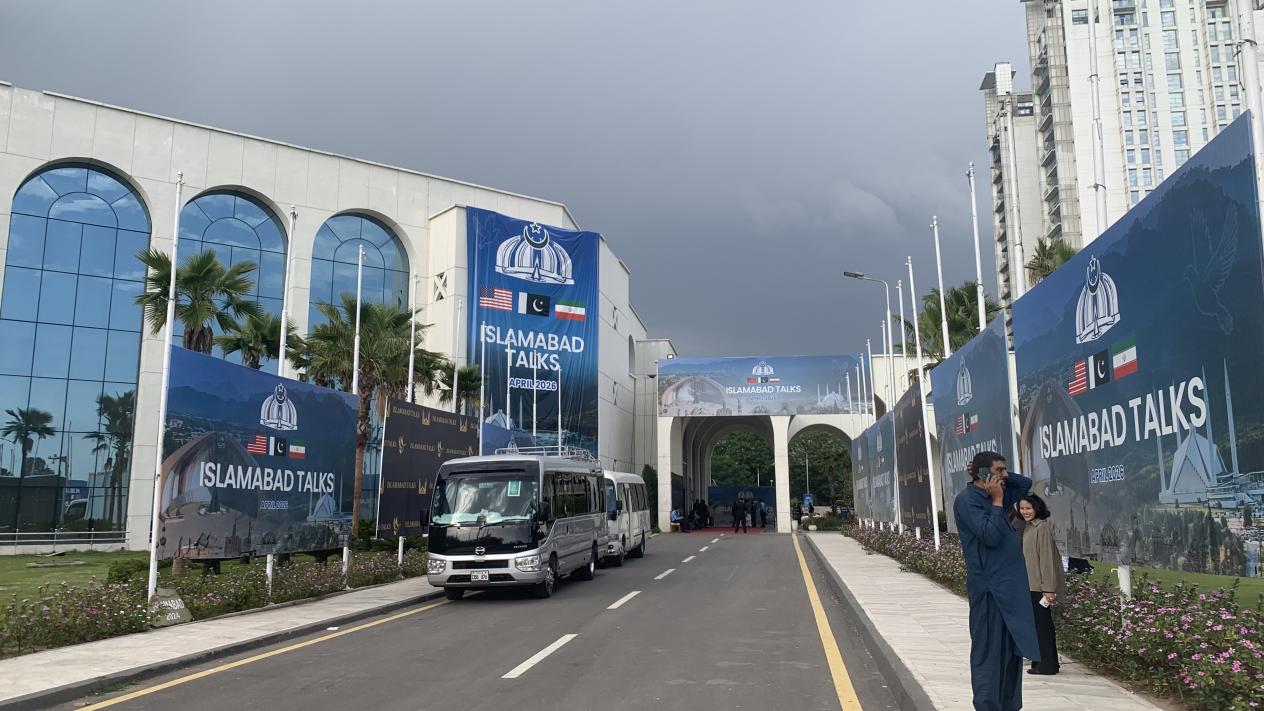
A significant hurdle in these negotiations is the lack of a "realistic" middle ground on maritime security protocols. The U.S. likely seeks a 100% verifiable cessation of interference with commercial shipping, while Iran demands a reciprocal reduction in the Western naval footprint within the region—a move that would alter the regional power balance by an estimated 30% in terms of rapid-response capability. This "last chance" round is essentially a stress test for the ceasefire reached earlier this week. In professional diplomacy, a ceasefire without a subsequent political framework has a failure rate of over 60% within the first 90 days. Therefore, the Sunday session isn't just an extension; it is a structural necessity to prevent a return to the high-intensity conflict that cost billions in infrastructure damage over the past month.
To break this deadlock, the solution requires a transition from qualitative rhetoric to quantitative concessions. This might involve a phased "compliance-for-compliance" roadmap: for example, a 10% unfreezing of assets in exchange for a 30-day verifiable period of zero-incident maritime transit. By breaking down the "excessive demands" into smaller, measurable milestones with clear 24/7 monitoring parameters, the negotiators can build the "tangible change" that has so far eluded them. If the Sunday session fails to produce at least a preliminary memorandum of understanding, the "ambitious approach" currently favored by the U.S. may result in a total collapse of the mediation effort, leading to a projected 25% increase in regional insurance premiums and a renewed cycle of military mobilization.
News source:https://peoplesdaily.pdnews.cn/world/er/30051872537